Healthy Lunch Vegetable Sushi Rolls
Highlighted under: Light Food Studio
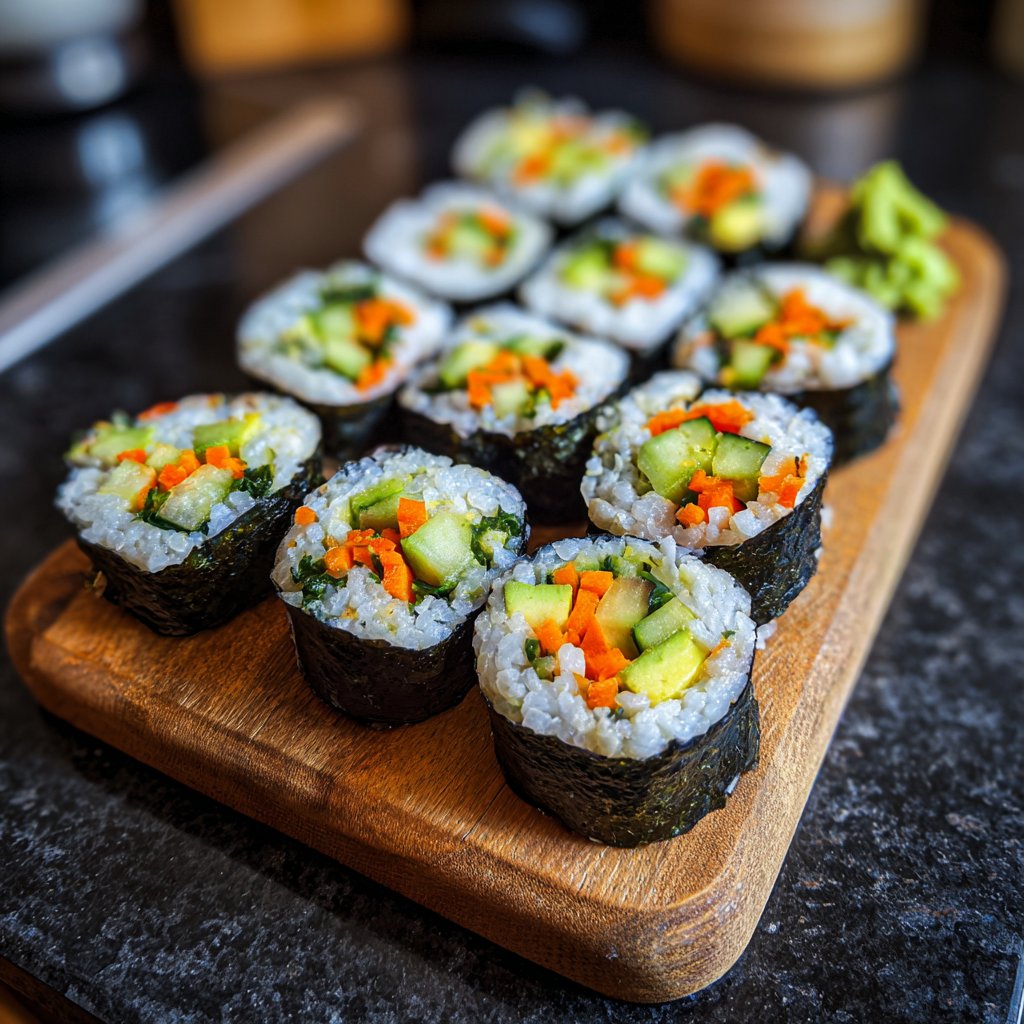
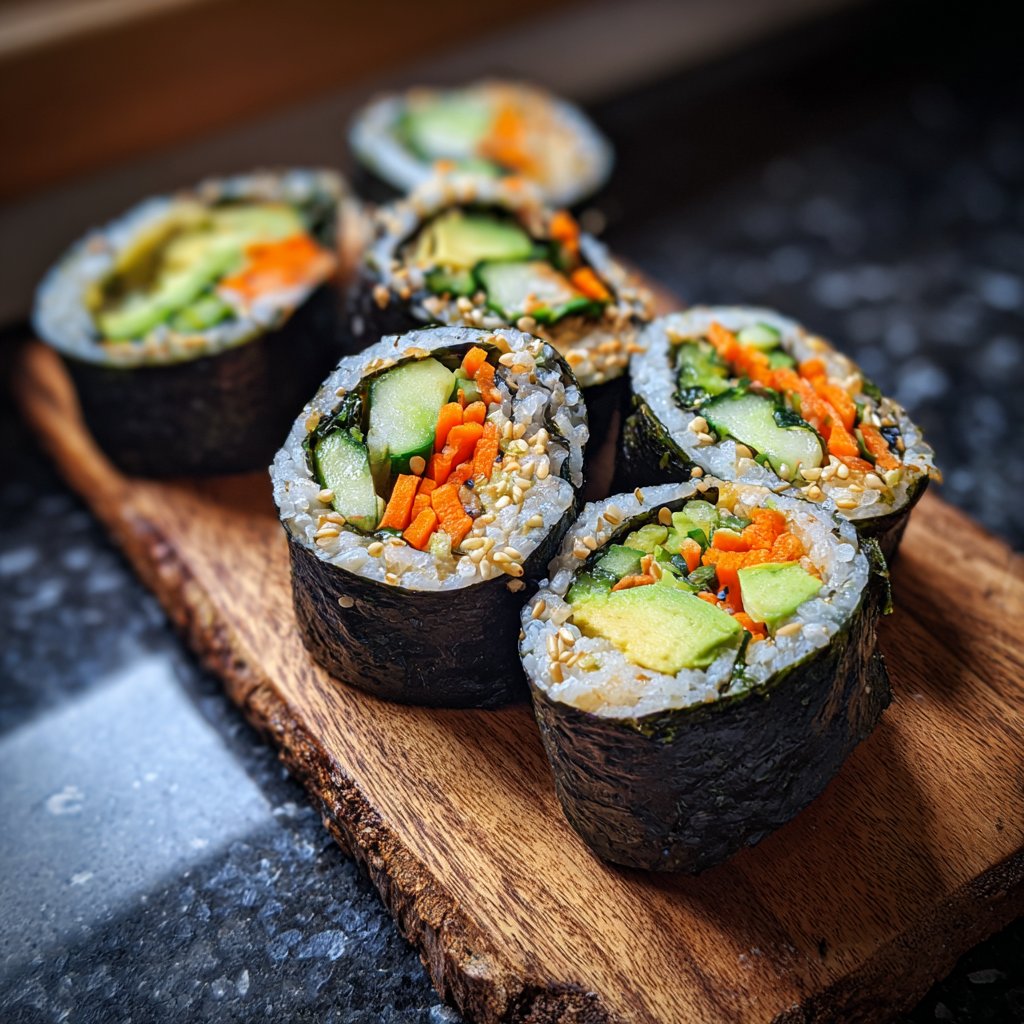
I love making these healthy lunch vegetable sushi rolls for a quick yet satisfying meal. With vibrant, fresh vegetables wrapped in tender sushi rice and nori, they’re not only delicious but also visually appealing. I find that experimenting with different fillings keeps things exciting in the kitchen. Whether I’m in the mood for crunchy cucumbers, creamy avocado, or spicy carrots, these rolls are versatile enough to cater to my cravings. With a splash of soy sauce and wasabi, they make for a perfect lunch that’s both nutritious and fun to eat!
When I decided to make these vegetable sushi rolls, I was pleasantly surprised by how easy it was to create such a colorful dish. The key is to slice your vegetables thinly to ensure they fit perfectly within the nori and rice. I highly recommend preparing all your ingredients in advance, which makes the rolling process a breeze. I will often add a dash of rice vinegar to my sushi rice for an extra depth of flavor, and I find that it elevates the overall taste.
As I experimented with various fillings, I discovered that a combination of textures works wonderfully, like the crunch of bell peppers paired with the creamy richness of avocado. It’s all about balance, and I encourage you to mix and match your favorite vegetables! I particularly enjoy adding a hint of sesame seeds for an added nutty flavor. These rolls are not only healthy and filling but also provide a perfect opportunity to get creative in the kitchen.
Why You'll Love These Rolls
- Packed with fresh, crunchy vegetables
- Light and nutritious for a guilt-free lunch
- Customize easily with your favorite fillings
- Perfect for meal prep and on-the-go dining
Mastering Sushi Rice
The key to perfect sushi rolls lies in the sushi rice. Rinsing the rice until the water runs clear is crucial as it removes excess starch, preventing the rice from becoming gummy. After cooking, the rice should be tender yet slightly sticky, allowing for easy rolling. When you stir in rice vinegar, do so gently, using a cutting motion to avoid mashing the grains. This step imparts a subtle tang, enhancing the flavor of the rolls without overpowering the fresh vegetables.
If you find that your sushi rice is too dry after cooking, add a tablespoon of water, cover, and let it steam for an additional 5 minutes. Conversely, if it's too wet, spread it out on a baking sheet to cool and dry slightly while keeping it covered with a damp cloth. This attention to texture is important for achieving that perfect bite.
Choosing and Preparing Vegetables
The freshness of your vegetables plays a significant role in the overall taste of your sushi rolls. I recommend selecting a variety of colors and textures to keep each bite interesting. For instance, cucumbers add a refreshing crunch while avocado provides creamy richness. If you're feeling adventurous, consider adding ingredients like pickled radish for a tangy twist or sprouts for extra nutrition. Ensuring that all vegetables are cut uniformly will also help them fit neatly inside the rolls.
If you're short on time, you can prep your vegetables ahead. Thinly slice them and store in an airtight container in the fridge for up to three days. This not only speeds up the rolling process but also maintains the veggies' freshness. For those looking to maximize flavor, marinating your vegetables in a bit of rice vinegar for 10-15 minutes can elevate their taste, adding depth to the rolls.
Rolling Techniques and Variations
When rolling the sushi, the pressure is key. Too much can squish the filling, while too little will cause the roll to fall apart. Aim for a snug roll by applying firm, even pressure as you roll with the bamboo mat. If you're a beginner, practice with the outer nori edge; once you feel comfortable, you can experiment with incorporating more fillings or using flavored nori sheets, such as those with sesame or seaweed salt.
Feel free to experiment with different fillings to suit your preferences or dietary restrictions. For a protein boost, consider adding marinated tofu or seasoned cooked shrimp. If you're following a gluten-free diet, tamari can be used instead of soy sauce for dipping. Each variation opens new possibilities, ensuring that your sushi rolls never feel repetitive.
Ingredients
Gather the following ingredients to prepare your sushi rolls:
Sushi Ingredients
- 1 cup sushi rice
- 2 cups water
- 3 tablespoons rice vinegar
- 4 sheets of nori
- 1 avocado, sliced
- 1 cucumber, julienned
- 1 carrot, julienned
- 1 bell pepper, sliced
- Sesame seeds, for garnish
- Soy sauce and wasabi, for serving
Make sure to rinse the sushi rice before cooking to remove excess starch for the perfect texture.
Instructions
Here’s how to assemble your healthy vegetable sushi rolls:
Prepare Sushi Rice
Rinse the sushi rice under cold water until the water runs clear. Combine the rice and water in a pot, bring to a boil, then reduce to low heat and cover. Cook for 15 minutes or until rice is tender and water is absorbed. Remove from heat and let it sit covered for 10 minutes, then stir in rice vinegar.
Prepare Vegetables
While the rice is cooking, prepare your vegetables by slicing them thinly. This ensures they fit nicely into the sushi rolls.
Rolling the Sushi
Place a sheet of nori on a bamboo sushi mat, shiny side down. With wet hands, spread a thin layer of sushi rice evenly over the nori, leaving a 1-inch gap at the top. Layer your vegetables in the center and sprinkle with sesame seeds. Roll the sushi tightly using the mat, applying gentle pressure.
Cut and Serve
With a sharp knife, cut the rolled sushi into bite-sized pieces. Serve with soy sauce and wasabi for dipping.
Your sushi rolls are now ready! Enjoy them fresh or store in the refrigerator for a light snack.
Pro Tips
- For added flavor, marinate your vegetables in a little soy sauce before assembling your sushi rolls.
Storage and Make-Ahead Tips
These vegetable sushi rolls are best enjoyed fresh, but if you have leftovers, store them in an airtight container in the refrigerator for up to 24 hours. To maintain their texture, it’s best not to cut the rolls until you're ready to eat them. If you want to prepare ahead for meal prep, keep the ingredients separate and assemble the rolls right before eating for optimal freshness.
You can also freeze the unrolled sushi rice and vegetables separately. When ready to enjoy, thaw the rice in the refrigerator overnight and quickly reheat it in the microwave or on the stovetop with a sprinkle of water to create steam. Then, roll your sushi just as you would with fresh ingredients, giving new life to your ingredients.
Serving Suggestions
These sushi rolls can be elegantly served on a platter, ideal for gatherings or lunchboxes. Pair them with a small bowl of soy sauce for dipping and a touch of wasabi for an extra kick. Plating with pickled ginger is another thoughtful touch that can cleanse the palate between bites, enhancing the overall dining experience.
If you're feeling creative, consider making a sushi bowl instead. Deconstruct the rolls by layering sushi rice, assorted vegetables, and a drizzle of soy sauce in a bowl for a filling and visually appealing meal. This option is also highly customizable, allowing you to adjust ingredients based on personal preferences while still getting that delicious sushi flavor.
Troubleshooting Common Issues
If your sushi rolls are falling apart, check the moisture level of your sushi rice. Perfectly cooked rice should be sticky enough to hold the roll together. If the rice feels too dry, it may need a little more vinegar mixed in or a touch of water to adjust its consistency before rolling.
Another common issue is unevenly filled rolls. To prevent this, make sure to distribute your vegetables evenly along the center of the rice. Avoid overfilling, as this can make rolling cumbersome and lead to a messy outcome. A little practice will help refine your technique, allowing for a smoothly executed roll.
Questions About Recipes
→ Can I make sushi rolls ahead of time?
Yes, you can prepare the rolls and store them in the refrigerator for up to 24 hours. Just wrap them tightly to prevent drying out.
→ What can I use instead of nori?
If you prefer, you can use soy paper or even lettuce leaves for a low-carb option.
→ Are these sushi rolls vegan?
Absolutely! All the ingredients listed are plant-based, making them a great vegan option.
→ Can I use brown rice instead of white rice?
Yes, brown rice can be used, but you may need to adjust the cooking time as it generally takes longer to cook.
Healthy Lunch Vegetable Sushi Rolls
Created by: Arielle Baxter
Recipe Type: Light Food Studio
Skill Level: Intermediate
Final Quantity: 4 rolls
What You'll Need
Sushi Ingredients
- 1 cup sushi rice
- 2 cups water
- 3 tablespoons rice vinegar
- 4 sheets of nori
- 1 avocado, sliced
- 1 cucumber, julienned
- 1 carrot, julienned
- 1 bell pepper, sliced
- Sesame seeds, for garnish
- Soy sauce and wasabi, for serving
How-To Steps
Rinse the sushi rice under cold water until the water runs clear. Combine the rice and water in a pot, bring to a boil, then reduce to low heat and cover. Cook for 15 minutes or until rice is tender and water is absorbed. Remove from heat and let it sit covered for 10 minutes, then stir in rice vinegar.
While the rice is cooking, prepare your vegetables by slicing them thinly. This ensures they fit nicely into the sushi rolls.
Place a sheet of nori on a bamboo sushi mat, shiny side down. With wet hands, spread a thin layer of sushi rice evenly over the nori, leaving a 1-inch gap at the top. Layer your vegetables in the center and sprinkle with sesame seeds. Roll the sushi tightly using the mat, applying gentle pressure.
With a sharp knife, cut the rolled sushi into bite-sized pieces. Serve with soy sauce and wasabi for dipping.
Extra Tips
- For added flavor, marinate your vegetables in a little soy sauce before assembling your sushi rolls.
Nutritional Breakdown (Per Serving)
- Calories: 250 kcal
- Total Fat: 6g
- Saturated Fat: 1g
- Cholesterol: 0mg
- Sodium: 65mg
- Total Carbohydrates: 46g
- Dietary Fiber: 7g
- Sugars: 3g
- Protein: 5g